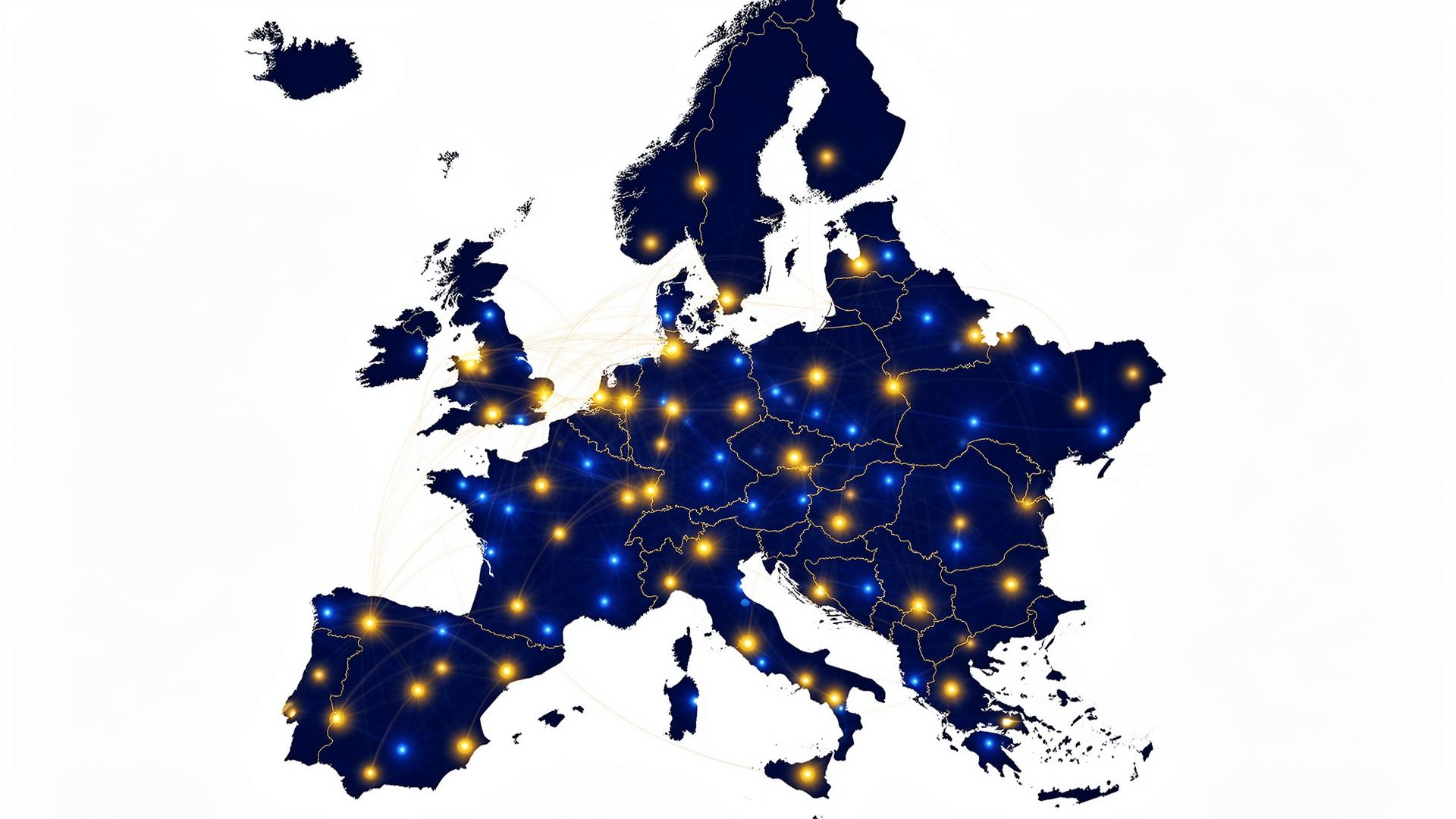
The Shift in Global Compliance
For years, the GRC market has been dominated by US-centric platforms. While these tools excel at SOC 2, they often treat European regulations as an "afterthought"—a set of bolted-on templates that don't quite fit the complexity of the EU landscape.
As we navigate 2026, the arrival of NIS2, DORA, and the EU AI Act has changed the stakes. Compliance is no longer just a security checkbox; it's a matter of sovereign operational resilience.
1. The 24-Hour Regulatory Update
Legacy GRC platforms often take months to integrate new European directives. In a fast-moving legal environment, that delay is a liability. Basenorm is built with a "Regulation-First" architecture.
2. Built for Sovereignty and Private AI
Data residency isn't just a legal requirement; it's a trust factor. European enterprises are increasingly wary of sending sensitive infrastructure metadata to public AI models hosted outside the EU.
Basenorm's Private AI Architecture ensures that your data never leaves the protected environment. We offer the intelligence of LLMs with the ironclad security of European data sovereignty.
3. Understanding "Proportionality"
European law often emphasizes proportionality and risk-based approaches. Legacy automation tools struggle with this nuance because they rely on binary (Yes/No) logic.
Our Context Engine understands the specific risk profile of your industry, ensuring you aren't over-engineering controls for NIS2, but precisely meeting the directive's intent.
Don't force a US template onto a European reality.
Secure your EU compliance roadmap with Basenorm.
Get StartedShare this article
Share on LinkedIn